 Log in

Post-pandemic vaccination rates of US kindergarteners continue to fall and “nonmedical exemptions” based on “personal or religious beliefs” jumped 0.8% in just 1 year.

|
Mostly void, partially pizza.
|
Unvaccinated kids on religious exemption should be sent to a school just for the unvaccinated and those schools should be forbidden from receiving public dollars.
Shelbyville, Kentucky

I love the aesthetic of Fresco, a video game where you play as a character embedded into Egyptian wall paintings. In many ways, these wall paintings are ancient precursors to side-scrolling games.
It's like The Pedestrian, but way way cooler.
Shelbyville, Kentucky

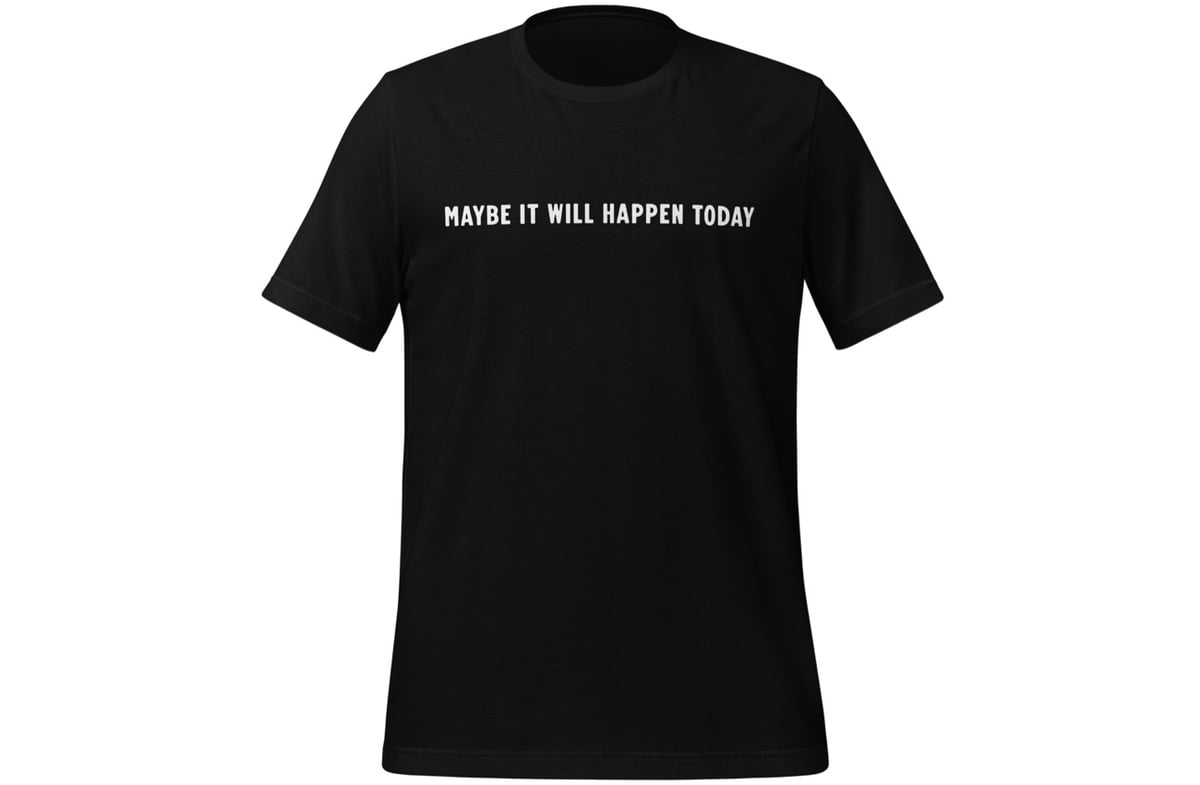
On Friday, I got a bee in my bonnet that this t-shirt should exist and so I made it and now you can buy it. The shirt is simple, straightforward, $25 (+s&h), and ships all over the world.
A promotion. Making a new friend. Or the big cork-popping event; you know the one. Today could be the day!
Maybe it’ll even happen before the shirt reaches your mailbox! We should be so lucky.
Thanks to Dan Cederholm at SimpleBits for his Free Lunch font and to Fourthwall for handling the shopping, printing, and fulfillment.
Oh, and I also zhuzhed up the Goods page, where you can still get the Hypertext, Process, and Choppke’s tees. More fine not-hypertext products to come soon.
Tags: fashion · kottke.org
I might have to find $25 dollars in the budget.
Shelbyville, Kentucky


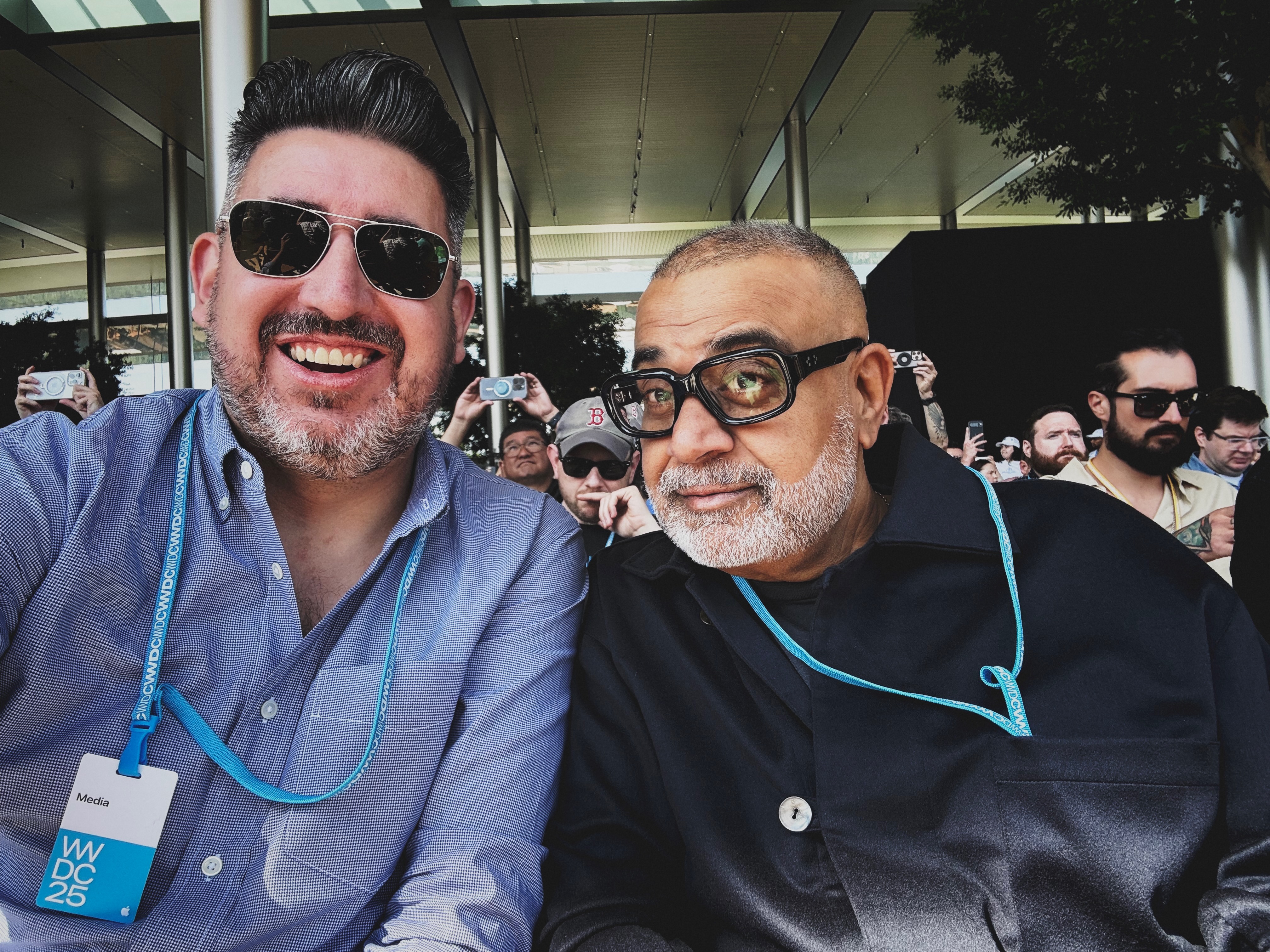
Om died two days ago, after a long battle against a bum heart.
Om and I often sat next to each other at Apple keynotes. This was not at all surprising or odd, insofar as we’d been friends for 20 years. Folks at Apple PR knew that we were close, and would often pair us together in post-keynote media briefings. I always enjoyed being paired with him. He asked keen questions. He saw through bullshit. He found holes in arguments. He took everything in. When I felt overwhelmed, he seemed serene. Om always seemed serene, period. His own photography reflects his presence.
Also, he was funny and fun. Profoundly generous. A good person to be around. A great person to know and be known by. He knew everyone and everyone knew Om. A lot of the people I know in this racket, I know through Om. Every time he’d introduce me to someone, he’d embarrass me with praise for my work. He greeted everyone with a compliment and whatever he said, he meant it. He had kind words to offer everyone because he had a gift for recognizing good things about everyone. He didn’t have an insincere bone in his body, which made him intensely lovable as a friend, and fiercely acerbic and accurate as a critic of technology. “He did not mince words” and “Everyone loved him” do not usually apply to the same person. They did with Om.
He was, of course, a Yankees fan.
So, no, it was not odd that he and I gravitated toward each other at Apple events. But the fact that Om continued to be invited to these events, with a media badge, was in fact unusual. He had stepped away from day-to-day journalism and became an investor back in 2014. A decade later, he was still on the short list of top invitees to events at Apple. His reputation warranted that respect. His ongoing writing and analysis — right up until the very end — continued to earn it. So of course Om continued to be invited to, and attend, these events. He was Om Fucking Malik. His presence improved any room, and lifted everyone’s mood. He made grumps smile. You couldn’t help it.
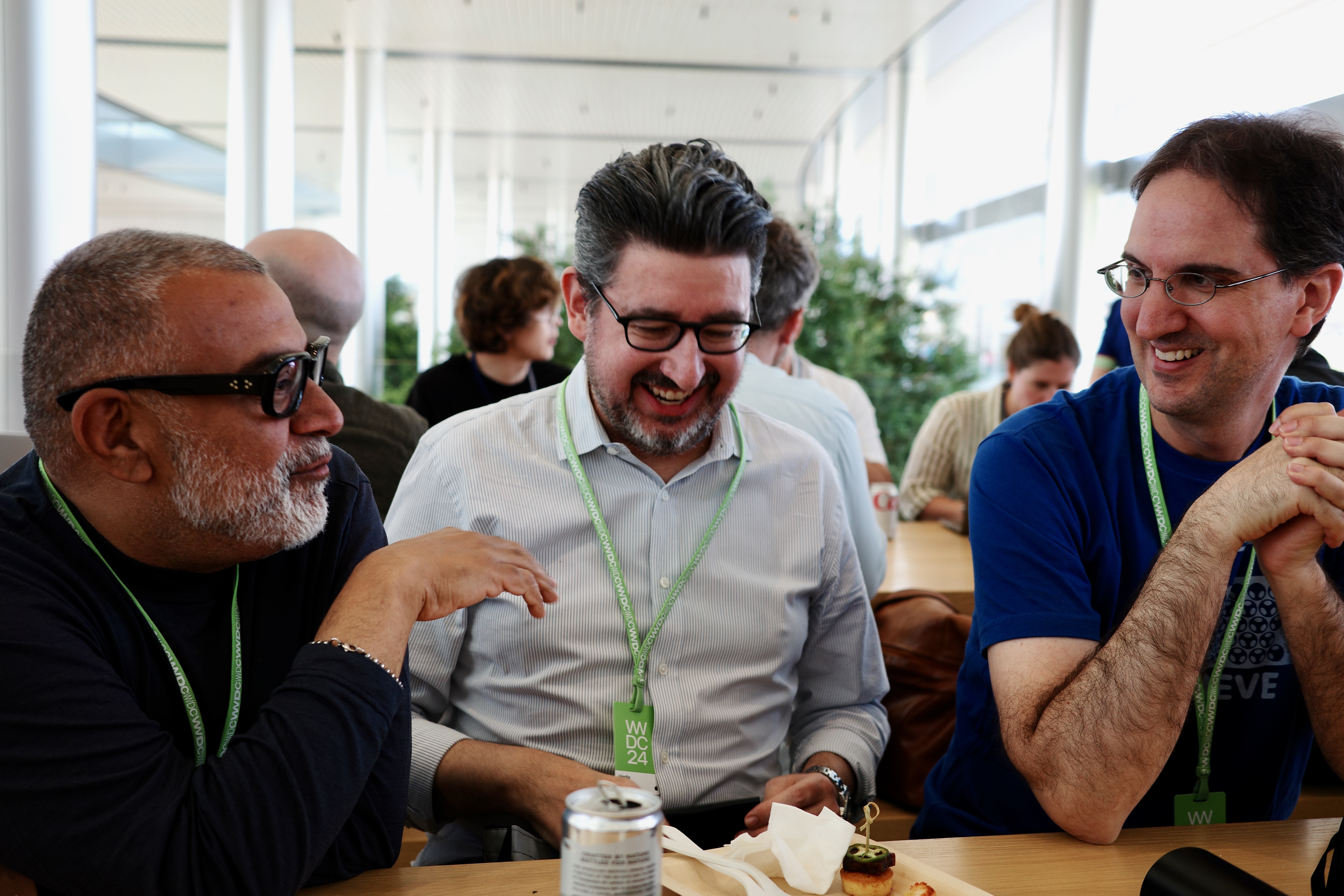
When he stepped aside from his namesake website GigaOm in 2014, Om wrote:
“Now it is time for the next chapter,” wrote Derek Jeter, the New York Yankees shortstop and my 2nd favorite Yankee (behind Bernie Williams), sharing his intention to retire at the end of 2014. “I have new dreams and aspirations and new challenges. And I want the ability to move at my own pace, see the world and finally have a summer vacation.”
I relate to Jeter’s desire to find life outside of work. Living a 24-hour news life has come at a personal cost. I still wake in middle of the night to check the stream to see if something is breaking, worrying whether I missed some news.
It is a unique type of addiction that only a few can understand, and it is time for me to opt out of this non-stop news life. After five years as a “venture partner,” I am joining True Ventures as a partner, and thus bringing an end to my life as a professional journalist.
Om, somehow, went straight from new-media wunderkind to éminence grise of tech journalism. Back when he was blogging, he blogged hard — multiple breaking-news posts per day, every day, while he was working as an acclaimed reporter for Business 2.0, Forbes, and Red Herring. That’s not what he did for the latter half of his career at all. He began changing his pace and perspective after suffering a heart attack in 2008, at the age of 42. He knew what he wanted to change, he told us he was going to change it, and then he did it. Thinking about his career transformation brings to mind the great Donald Knuth’s remarks regarding email:
Email is a wonderful thing for people whose role in life is to be on top of things. But not for me; my role is to be on the bottom of things. What I do takes long hours of studying and uninterruptible concentration. I try to learn certain areas of computer science exhaustively; then I try to digest that knowledge into a form that is accessible to people who don’t have time for such study.
What email is to Knuth, the 24-hour news cycle was to Om. He’d had enough, and recognized it. He no longer wanted to be on top of things. He wanted to be on the bottom of things. He transformed himself from the bloggiest of quick-trigger bloggers into the most thoughtful of essayists. He went from documenting what was happening, as it happened, to explaining why. He was very, very good at that — he saw things through a singular perspective and expressed his thoughts with a singular voice.
Om was never impressed by who someone was, what they’d previously accomplished, what grand wealth they’d garnered, or stature they’d achieved. It’s human nature to be overwhelmed by awe in the presence of great people. Om was not. To impress Om, you needed to deliver impressive new work. He was impervious to riptides of hype. Those are superpowers in this racket.
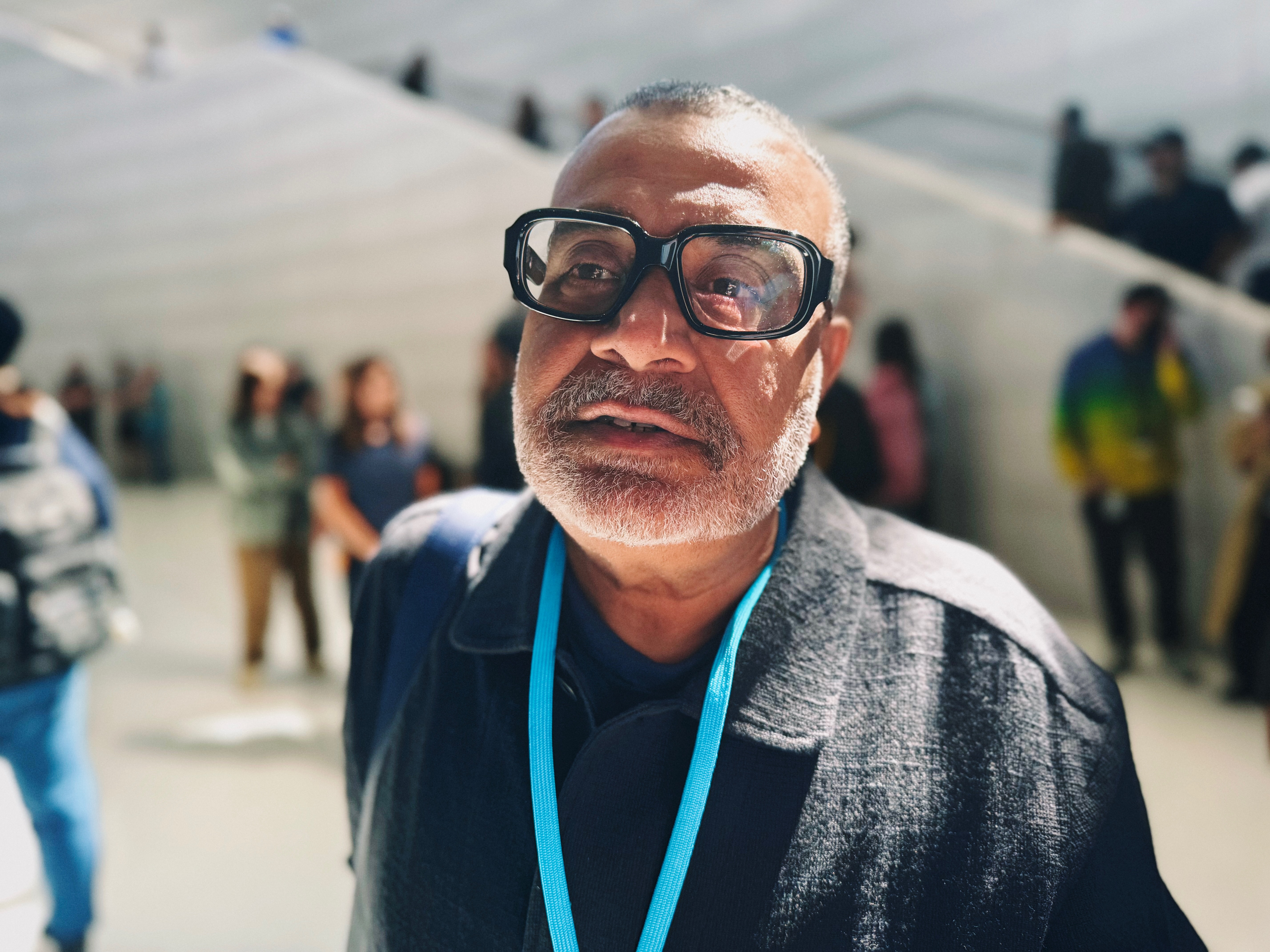
I texted him on June 1 to coordinate meeting up at WWDC the next week. That’s when he filled me in that he’d been hospitalized in the ICU at Stanford since mid-April, and the situation was dire. He needed a heart transplant or he wouldn’t live. I knew he’d been dealing with health issues in recent years, but I had no idea it had become so acute. We’d been chatting regularly for weeks — largely because he’d been so prolific of late, on topics exactly aligned with my own recent attention. He’d been doing some of the best writing and analysis of his career this year — but for the last few weeks, unbeknownst to me, and most of the world, that writing was from a bed in the ICU.1 This is going to sound cornier than a bucket of Jiffy-Pop, but it is a profound irony that a man with such a big and beautiful figurative heart could have such a lousy literal one.
I apologized for calling out his website in my “What Is a Dickover?” interactive essay, which I hadn’t warned him about, and had posted just three days before he told me of his medical plight. He told me not to worry, I was right, it was annoying, and he’d fix it. I didn’t think he’d get to that. But I checked today, and it’s gone.
Om didn’t keep his health crisis secret, per se. He kept it private. That was very Om. He was generous and effusive, often ebullient, always intense. But he was, in many ways, inscrutable. Private. Contemplative. Comfortable with himself, and by himself. I’ve never met anyone like Om Malik. They broke that mold after minting one.
I seldom ask anyone for professional advice, but when I did, I often asked Om. We did not do exactly the same thing, he and I, but we did close to the same thing. He understood what I do — or at least, what I try to do here — in a way that few others could. Among those of us who came of age in the first decade of blogging, who aspired to make it a career, the common route was to go from independent blogging to a salaried byline at an established big-name publication with roots in print as a magazine or newspaper. Om went the other way — from acclaimed reporter in top-shelf print magazines to turning GigaOm into a phenomenon. I never saw Daring Fireball as a stepping stone to greater things. I wanted only to make Daring Fireball a great thing. Om recognized that. In one of my earliest memories of meeting him — I think when I was working at Joyent, circa 2006 — we discussed publishing and new media and my own ambitions. He told me I should just keep doing what I was doing. Establishment media was a bloated slow-moving mess, he said. The future, he was absolutely certain, would be controlled by creators building their own brands and reputations, not subserving a legacy media publication. I told him I had no such plan. He said, “Good. You don’t need them. They need you.”
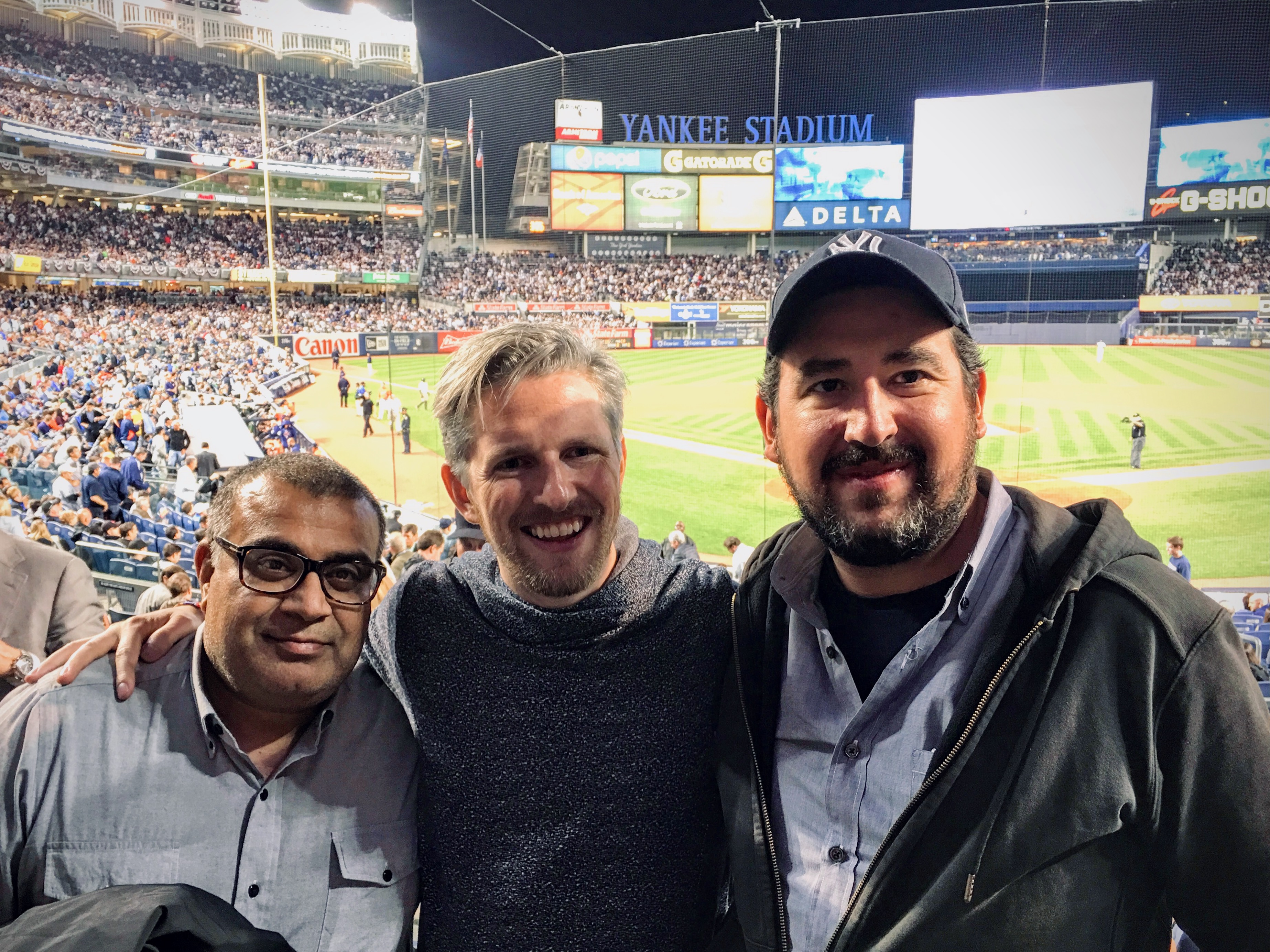
Om loved good coffee, nice watches, exotic pens, Apple products, the media industry, photography (both the art and the gadgetry), and the New York Yankees. So, yeah — he and I always had more to talk about than time to talk when we were together. Always. But it was the Yankees we talked about most. He loved about the Yankees what I love about the Yankees — that they embody the pursuit of excellence. Not just winning, but winning the right way. The Yankees play in Yankee Stadium, not Shitco Cellular Service & Financial Bank Park. He got angry about the Yankees by what gets me angry about them. Not when they merely lose. That’s baseball. But when they get cheap, or stupid, or both. (You did not want to get Om started on Hal Steinbrenner, who is definitely cheap and possibly stupid.)
We attended a handful of games together at the Stadium. One time, he told me the most amazing story. When he first immigrated to New York in 1993, and was hustling to make a career in journalism in the U.S., he supported himself with a job selling luggage across the street from (old) Yankee Stadium in the Bronx. If you’ve ever been to New York, you know those stores. He worked at one. He didn’t know anyone in New York, let alone anyone in the U.S. business or technology news media. And he didn’t know a damn thing about baseball. So, on many days, he’d work all day and into the early evening, and then go across the street and buy a cheap seat in the upper deck and watch the Yankees. You’re never alone in a stadium. He learned baseball, and he fell in love with the Yankees on the cusp of the remarkable Jeter-Rivera-Pettitte-Posada dynasty. Om’s favorite player of that era was the serene Bernie Williams, of course. (Mine was Paul O’Neill, the hothead. Of course.)
I said, “I’ve always wondered about those stores. There’s so many of them. Does anyone actually buy luggage at those places?”
“John, you would be surprised. But they do not sell themselves. You have to sell them. It is hard work. The people who buy suitcases in those stores buy them there because they want to argue about prices. It is a fight every day.”
In Om’s telling, the threads were all infused. His lonesome isolation as a young immigrant, 7,000 miles from his birthplace. Falling in love with baseball (in general) and the Yankees (in particular) at just the right time — a crash course in American culture and an antidote to loneliness, rolled into one pinstriped package. His burning ambition to break into major U.S. journalism. And the daily humbling grind of selling suitcases on the hot summer sidewalks of the Bronx.
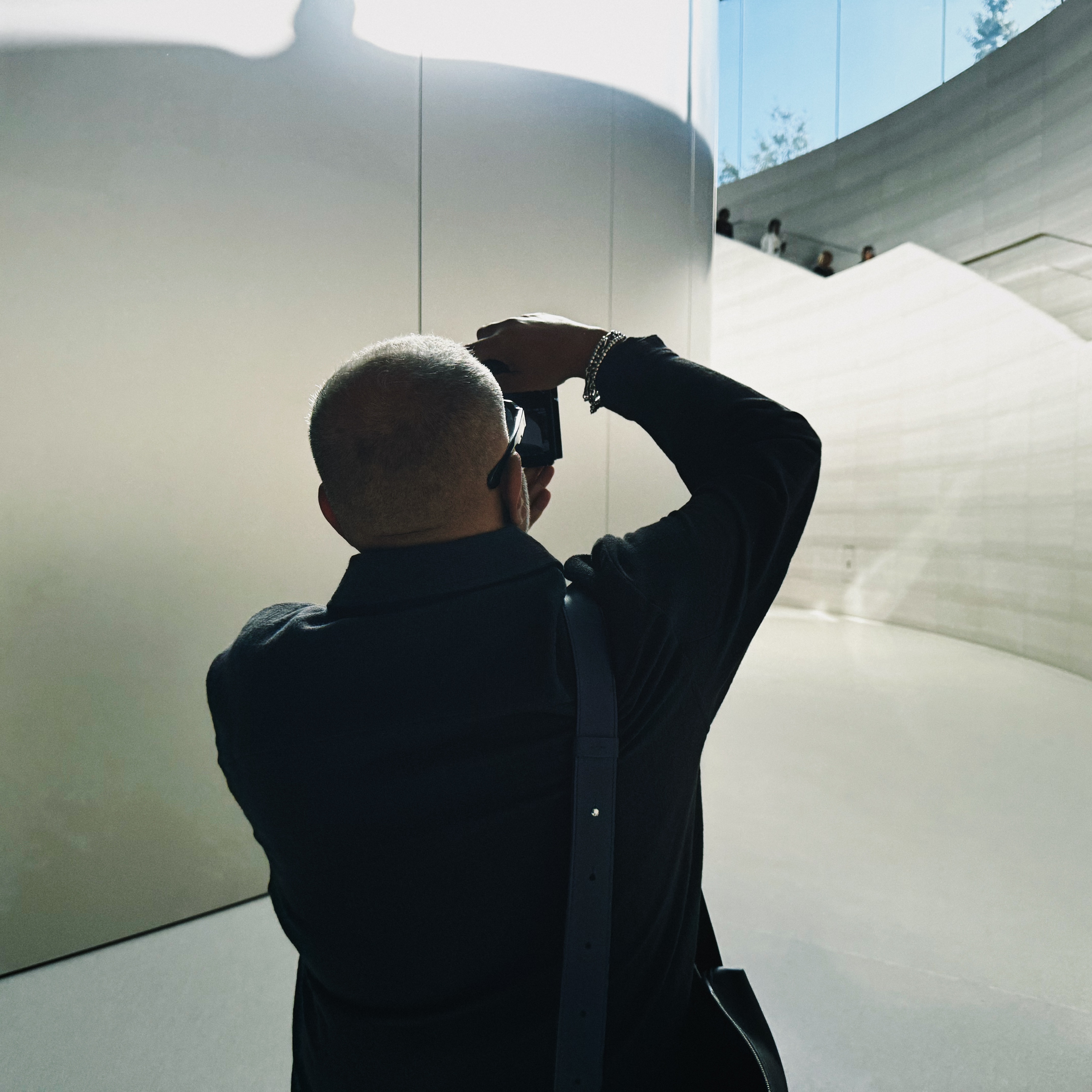
Om didn’t sell suitcases for long. But I’ll bet while he did, he was pretty fucking good at it. He didn’t wait for his future to arrive. He made it happen. Careers — hell, our entire lives — are like those suitcases. They don’t sell themselves.
He not busy being born is busy dying, wrote Dylan. Om Malik wasn’t busy dying even when he was dying.
-
I will forever be thankful that, somehow, I had the inkling to tell Om how good his recent writing was, before he told me his health was in such dire straits. Don’t hold back on telling people they made something you love or admire. Om himself was remarkably generous in that regard. ↩︎
Just beautiful.
Shelbyville, Kentucky
1 public comment
 reply
reply

“British energy major BP on Tuesday reported that first-quarter profits more than doubled from a year ago, following a surge in oil and gas prices driven by the Middle East conflict.” Oh, surprise surprise.
David Pierce, writing at The Verge (gift link):
The Pixel 10 Pro solidified a feeling I’d been having through all of my tests: Android is a better operating system than iOS. [...]
If all you got from your phone was the out-of-the-box experience, I’d have picked the Pixel. But unfortunately for Android, app stores exist. And the App Store absolutely wipes the floor with the Play Store. Lots of the apps I use every day — apps like Puzzmo, NotePlan, Mimestream, and Unread — either don’t exist on Android at all or only exist as web apps. Most of the ones that do work on both platforms are better on iOS. And forget about the kind of handcrafted, small-developer stuff — apps like Acme Weather, Current, and Quiche, just to name a few recent favorites — that’s all over the App Store and absolutely nowhere to be found on Android.
Put aside your feelings on whether you agree “Android is a better operating system than iOS”. What’s interesting here is that Pierce, who thinks that’s true, still prefers the overall experience of iOS because the apps are so much better. I first wrote about this in 2010, in “Where Are the Android Killer Apps?”:
But, the thing I’ve noticed, eight months after returning a Nexus One I borrowed for six weeks from a friend, is that, well, I don’t seem to be missing much.
I’ve complained, numerous times, about the “how many total apps are in your store?” metric — the idea that Apple is “winning” because there are more iOS apps than there are apps for any other mobile platform. If quantity of app titles were all that mattered, we’d all be using Windows, not Mac OS X, right? Having the most apps matters, but having the best apps matters too. The sweet spot for a platform is to do well in both regards.
And then, more recently, in 2023, “Making Our Hearts Sing”:
I will offer another quote from Kubrick: “The test of a work of art is, in the end, our affection for it, not our ability to explain why it is good.”
Art is the operative word. Either you know that software can be art, and often should be, or you think what I’m talking about here is akin to astrology. One thing I learned long ago is that people who prioritize design, UI, and UX in the software they prefer can empathize with and understand the choices made by people who prioritize other factors (e.g. raw feature count, or the ability to tinker with their software at the system level, or software being free-of-charge). But it doesn’t work the other way: most people who prioritize other things can’t fathom why anyone cares deeply about design/UI/UX because they don’t perceive it. Thus they chalk up iOS and native Mac-app enthusiasm to being hypnotized by marketing, Pied Piper style.
What’s happened over the last decade or so, I think, is that rather than the two platforms reaching any sort of equilibrium, the cultural differences have instead grown because both users and developers have self-sorted. Those who see and appreciate the artistic value in software and interface design have overwhelmingly wound up on iOS; those who don’t have wound up on Android.
Apple would be wise to cultivate a further widening of this third-party software-quality gulf through radically improved developer relations, rather than attempting to squeeze additional rent from this advantage — which, while penny-wise in terms of juicing its App Store revenue in the near term, is ultimately pound-foolish in the way that it is souring developer sentiment.
The real goldmine isn’t that Apple gets a cut of every App Store transaction. It’s that Apple’s platforms have the best apps, and users who are drawn to the best apps are thus drawn to the iPhone, Mac, and iPad. That edge is waning. Not because software on other platforms is getting better, but because third-party software on iPhone, Mac, and iPad is regressing to the mean, to some extent, because fewer developers feel motivated — artistically, financially, or both — to create well-crafted idiomatic native apps exclusively for Apple’s platforms.
Apple should focus its developer relations on cultivating that motivation, and trust that in the end that will continue to prove lucrative for Apple itself. They should do whatever it takes to make their cut of App Store transactions feel like a beneficial bargain to developers, not an oppressive tax.
I have long been a "you can pry the Pixel from my cold dead fingers" Android evangelist, but the gap on the app stores is wide, ever-widening, and just not going to catch up. I fear my next phone will be an iPhone of some sort.
Shelbyville, Kentucky
Next Page of Stories